


A designer's point of view about choosing the fabric that makes a dress worth wearing
When a woman chooses a dress on the Internet, the first thing she usually notices is the silhouette. Then the colour, the neckline, the length, the detailing and then the price. But one element is quietly responsible for almost everything she ends up experiencing when she wears it: the fabric.
We've learnt as a designer fashion brand that a beautiful silhouette can only do so much if the fabric doesn't support it. The fabric of a dress has a significant impact on how it drapes, moves, catches light, feels on the skin, captures images, and maintains its shape all night long. This is why at EchoStudio the fabric selection doesn't happen after the design is complete. It is integrated into the design.
It can be a lot more rewarding to buy designer dresses online if women take the time to learn about fabrics. You start to understand why 100% cotton has a different feel from satin, why a flowing silhouette needs a fabric with movement and why an evening dress can require an entirely different fabric from one designed for a summer afternoon.
So in terms of selecting the best fabrics for women's dresses, we don't think there's an overall winner. The right fabric varies for every woman, every occasion, every season, every silhouette, and, most importantly, how she wants to feel in it.
100% Cotton: When Comfort Becomes Style


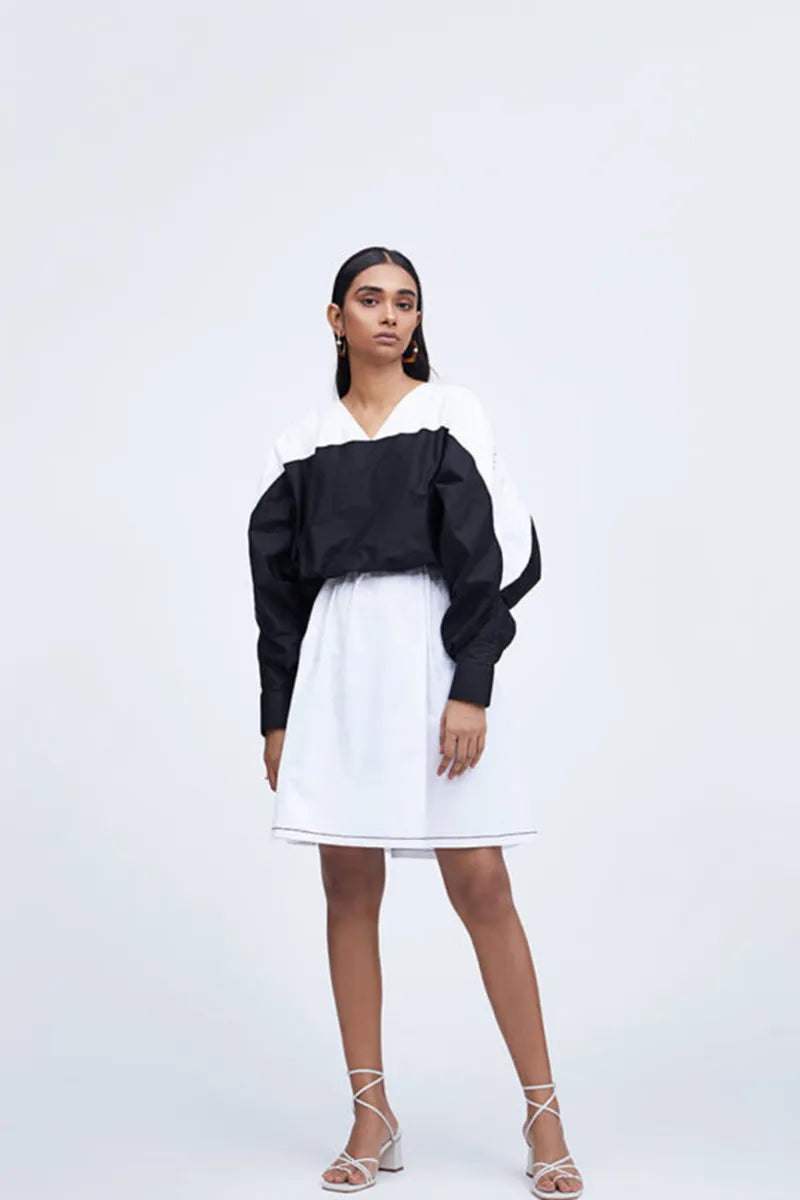
Some fabrics create an immediate impact. Cotton is the fabric that quietly takes its place in a woman’s wardrobe with the most repeat wear.
Cotton dresses are especially lovely for women who like natural comfort and uncomplicated everyday dressing. When the weather is nice or you'll be spending a lot of time outside, cotton is a great choice for daytime wear due to its naturally refreshing feel.
Cotton takes centre stage at EchoStudio when presented in modern Western silhouettes. Cotton shouldn't be seen as just casual; with careful design, it can be elevated to the level of dress that is appropriate for holiday parties, casual get-togethers, brunches, and other laid-back social events.
The combinations are what make them beautiful. The comfort is provided by the fabric and the sophistication by the silhouette.
While creating online designs for designer dresses, we strive for precisely that equilibrium.
Imported Satin: For Those Extra Special Evenings
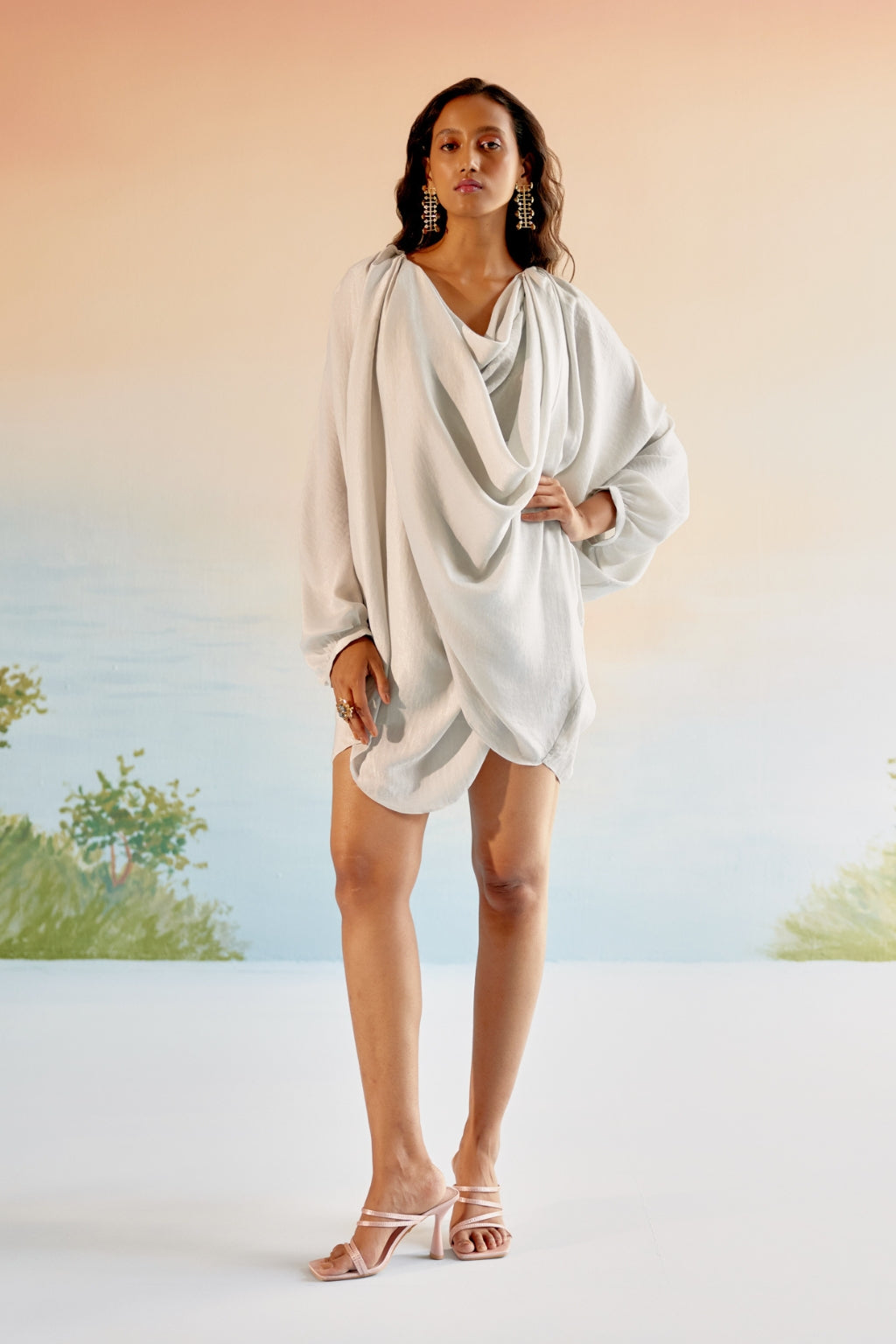
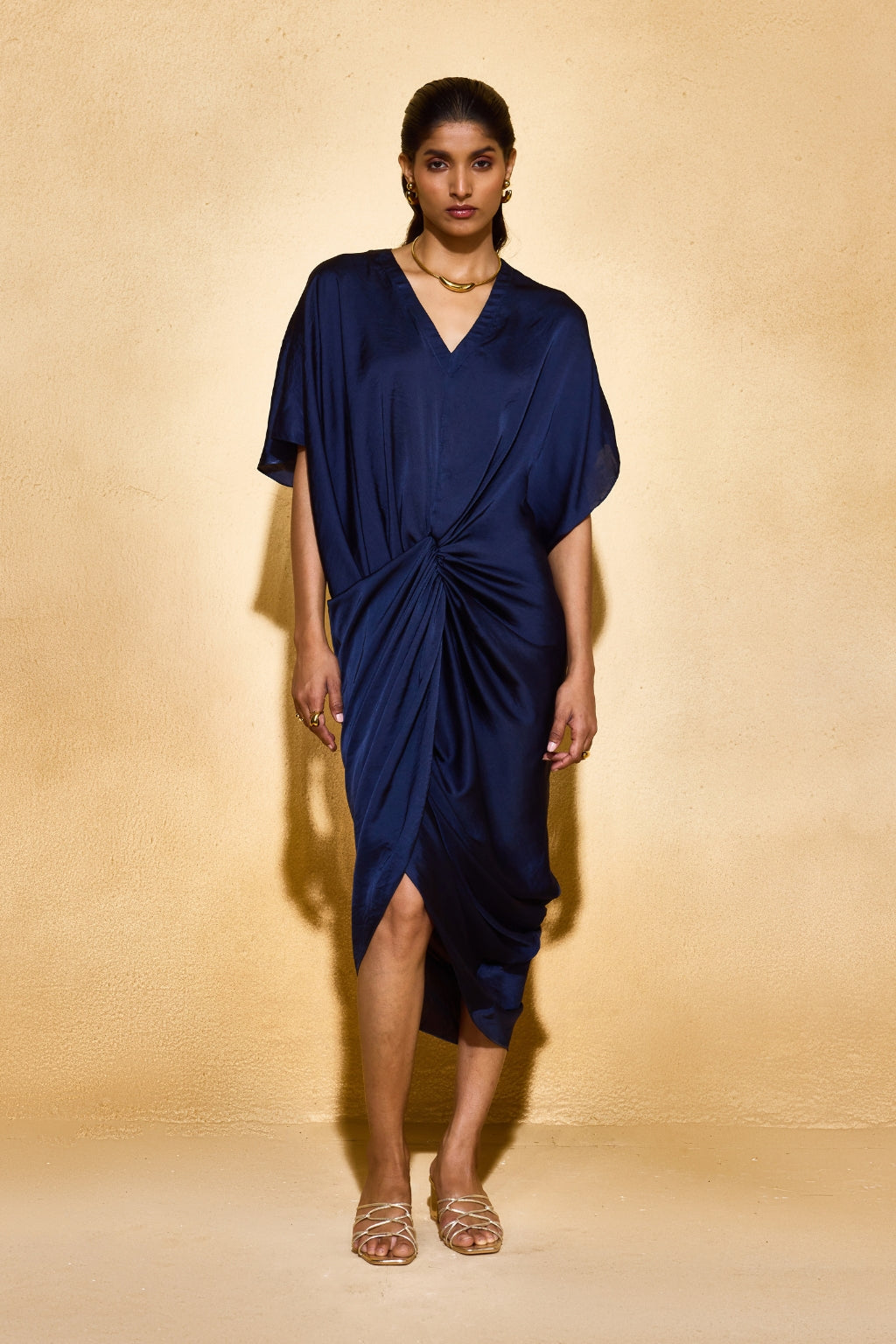

Satin has a completely different character.
When compared to cotton, satin has a more airy, light, and evening-orientated feel. It has maintained its popularity among designer evening dresses due to its light-catching and -reflecting properties, which elevate even the most basic silhouette.
If a woman is looking to make an impression at a formal dinner, celebration, date night, party, or any other event where she wants to feel special in her attire, we highly recommend using imported satin.
The fabric has a unique way of moving. Its reaction to light is unique. The way it looks in photos also changes as the night progresses because the fabric catches light differently.
But satin also shows that comfort and style go hand in hand, which is a major fashion rule. A beautiful satin dress shouldn't just look luxurious on a hanger. Its cut, drape, construction, and fit should all be harmonious so that the woman can move freely, sit comfortably, dine in style, and savour the evening in it.
The designer's role becomes crucial at that point.
Diverse Looks from the Same Fabric
We often wish more women knew this before purchasing dresses online.
The way a dress will appear is not dictated by the fabric alone.
Changing the silhouette of the same material allows the designer to achieve two totally different looks. What makes an item of clothing unique is its proportions, neckline, length, draping, gathers, seams, and sleeve construction.
Depending on the structure of the satin, it can give off an air of sharp sophistication or a carefree, romantic vibe in a maxi dress. Cotton, depending on its construction, can transform into either a loose-fitting party dress or a sharply tailored western style.
So, when women are shopping for designer clothes, it's not enough to just ask, “What fabric is the dress?”
A better question would be, “How did the designer use this fabric?”
Clothes Should Be Adapted to the Event
If a fabric is perfect for one occasion, it might not be for another.
The breezy cotton and lighter fabrics are perfect for a summer brunch, vacation morning, or casual daytime outing because they make the dress feel easy and carefree.
Richness and movement are perfect for an evening celebration, and satin can provide just that. The light sheen transforms the way the garment responds to flashes, photos, and motion effects.
With modern cuts and adaptable fabrics, you can wear the same piece in a variety of ways for those transitional events. Wear a blazer and structured accessories during the day and a pair of heels and bold jewellery at night.
This is one reason why we believe designer dresses for women should be designed around real life. If a dress is truly versatile, it should be able to transform into multiple different looks.
Which Is More Important: Comfort or Style?
The fashion conversation is frequently framed as a battle between comfort and style, as if a woman had to choose between the two.
Personally, we don't think so.
If the design is good, the two should complement each other.
The right cut can elevate the style of a 100% cotton dress to a whole new level. The right fit and construction can make imported satin appear luxurious without sacrificing comfort. The goal should never be to force a woman to choose between her comfort and her appearance.
Rather, the fabric should enhance the intended experience of the garment.
That is one of our guiding principles here at EchoStudio.
How a Dress's Fabric Affects Its Fall
The drape and taper of a fabric are one of the most crucial factors to consider when shopping for designer apparel.
A fabric's drape is its inherent way of falling and responding to the wearer's figure. Different materials have different degrees of shape retention and flexibility. A few produce firmness, while others bring about a state of gentleness.
This difference becomes especially crucial in the case of draped dresses for women, where the beauty of the dress is determined by the naturalness of the fabric falling in the designed lines.
A fabric that is not well chosen can make an otherwise beautiful silhouette seem stiff or heavy. But the correct fabric makes the pattern pop as the woman sits or just moves around the room.
That movement is part of fashion. It's also part of the experience.
Our Criteria for Selecting Fabrics at EchoStudio
We start by thinking about the woman who will be wearing the garment when we choose the fabric.
We consider the fabric's reaction to the silhouette, its ability to generate the desired movement, its feel against the skin, the event it will be worn to, and whether the final garment is deserving of a place in a woman's closet.
This is why, instead of attempting to create a uniform dress feel, our collections incorporate a variety of fabric experiences.
The fabric adds character to the garment.
Knowing the fabric's intended use and how it complements the design is crucial. When the perfect fabric is paired with the perfect silhouette, a transformation takes place.
The dress stops feeling like something you bought. When you start using it, it feels tailor-made for your lifestyle.

